
Dog Registration in NZ: What Owners and Sitters Both Need to Know
A dog's registration is easy to forget about, until it lapses. Whether you're an owner or a professional pet sitter, it's worth knowing what's required and why it matters.
The basics
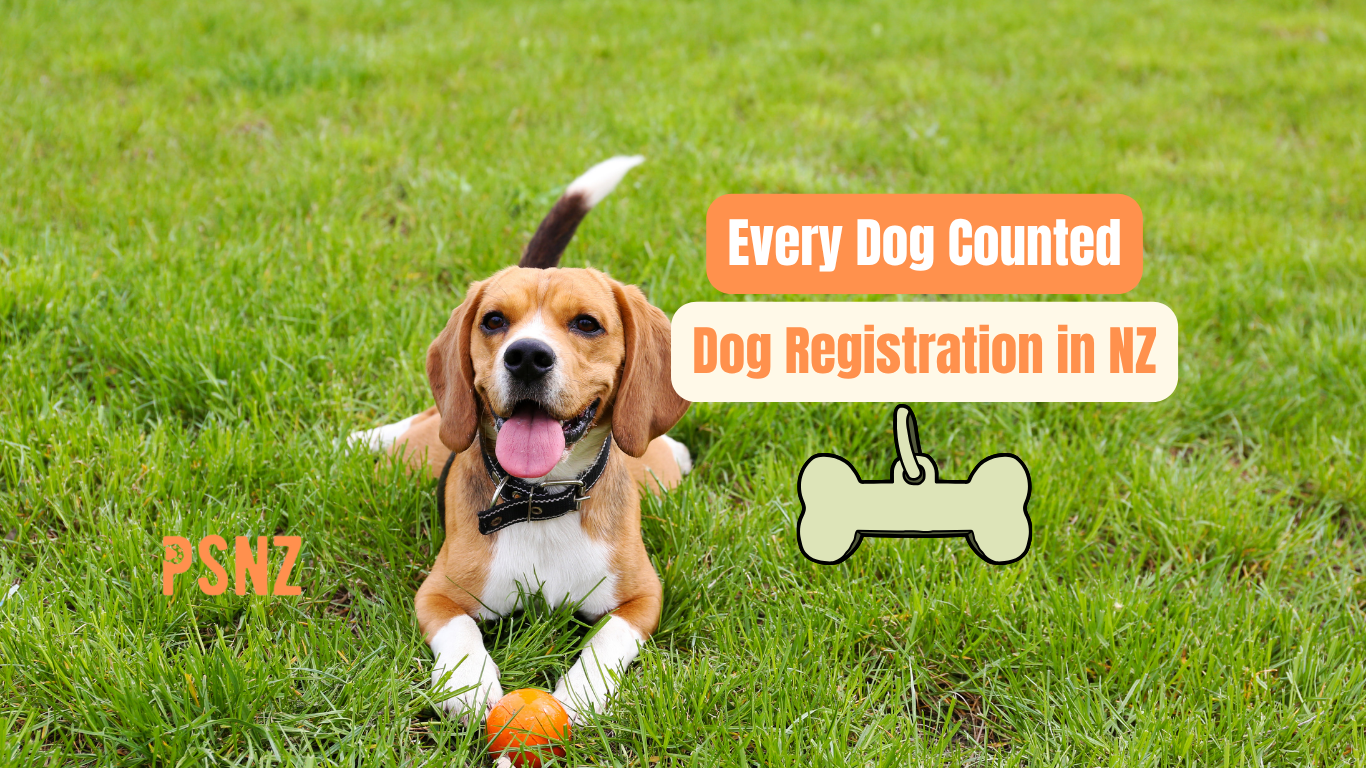
Under the Dog Control Act 1996, every dog over three months old must be registered with its local council, every year. Registration periods and exact deadlines vary slightly by council, but most run annually from around July, with late fees kicking in from August.
If you're unsure whether your dog (or a client's dog) is up to date, your local council's website will have the details — see a full list of NZ council dog registration pages below.
Registration is separate from microchipping. Since 2006, all dogs registered for the first time must also be microchipped and recorded, ideally through the New Zealand Companion Animal Register (NZCAR) this is what actually reunites a lost dog with its owner, not the tag alone.
Why it matters, whoever's holding the lead
If a dog's registration has lapsed, most councils apply a late fee (commonly 25–50% on top of the standard fee) and dogs over three months old that stay unregistered can be fined under the Act. That's reason enough for owners to keep it current.
But it's just as relevant if you're the one caring for someone else's dog. An unregistered or unchipped dog that gets loose, is involved in an incident, or ends up with animal control while in a sitter's care can create real complications, for the owner and the sitter both. It's the kind of detail that matters most exactly when you can least afford it to be wrong.
A simple habit worth building
Whether you're an owner booking a sitter or a sitter taking on a new client, registration and microchip status is worth a two-minute check as part of the process , owners can confirm it's current, sitters can make asking about it a standard part of intake or the meet-and-greet. It's a small step, but it's exactly the kind of professional standard PSNZ members are known for, and it protects everyone involved if something ever goes wrong.
The takeaway
Check it's current, ask about it early, and treat it as a shared responsibility rather than something that sits with just one side of the arrangement. Small admin, real protection, for the dog, the owner, and anyone caring for them.
Local Council Links for dog registration:
Western Bay of Plenty District
Want more practical guidance like this? Sign up for a free PSNZ membership to access our full library of pet care resources, or explore our Pet Care Code of Conduct to see the standard we hold our verified sitters to.
.png)